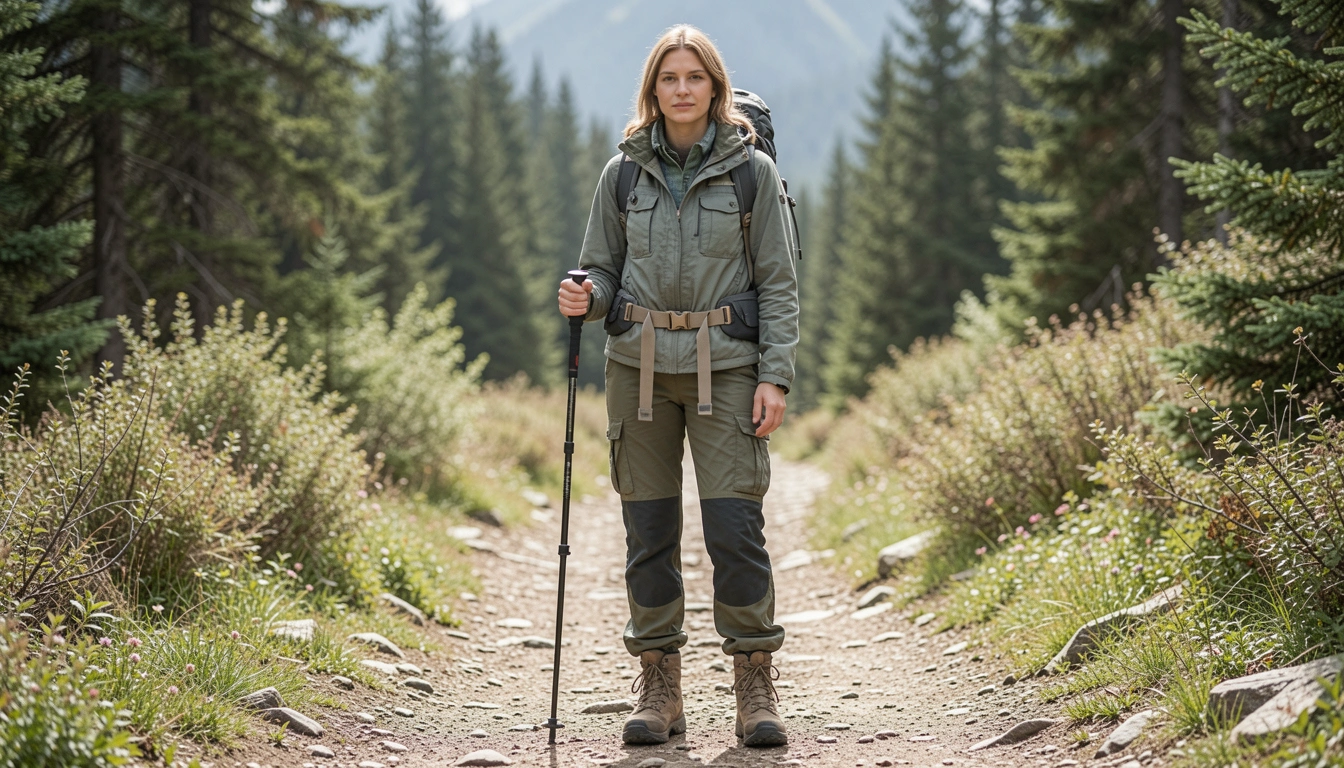
I packed for a hiking trip once, but my layers bunched up and felt heavy. The pants dragged, the top clung wrong after sweat. Proportions looked off—top too long, bottom too short. I walked feeling sloppy, not ready.
Travel outfits for hiking need to move with you. Mine used to shift and bind.
Now I build them layer by layer. They stay comfortable from path to airport.
How To Wear Travel Outfits For Women For Hiking
This method lets you layer travel outfits for women for hiking that feel light and balanced. You’ll get proportions that work on trails and in transit. No bulk, just outfits ready to wear.
What You’ll Need
- Women’s Moisture-Wicking Long-Sleeve Base Layer Shirt in neutral gray
- Lightweight Fleece Mid-Layer Jacket in olive green
- Packable Waterproof Shell Jacket in black
- Convertible Hiking Pants in khaki, zip-off legs
- Mid-Calf Hiking Socks in merino wool blend
- Lightweight Trail Hiking Shoes in brown
- Compact Daypack Backpack in gray nylon
- Packable Wide-Brim Sun Hat in neutral beige
Step 1: Build the Base Layer for Movement

I start with a moisture-wicking long-sleeve base layer shirt. Pull it on smooth—it hugs without squeezing. This wicks sweat fast, keeps skin dry as I move.
Visually, your torso looks even, no bunching at the waist. Arms have clean lines for layering over.
People miss how a too-tight base pulls everything off later. Avoid sizing up; it should skim, not bag.
One mistake: skipping sleeves. They protect arms from brush without bulk.
Step 2: Add Mid-Layer for Warmth Balance

Next, I zip on the lightweight fleece mid-layer jacket. It sits just below the hips, not flapping loose. This traps warmth without overheating on climbs.
Now the outfit has subtle volume at the chest—balanced, not boxy. Proportions feel right; top half mirrors bottom.
Insight folks overlook: mid-layers need thumb loops to stay put under shells. Avoid ones that ride up when you reach.
Don’t layer two thick ones; it shortens your legs visually.
Step 3: Layer the Waterproof Shell for Protection
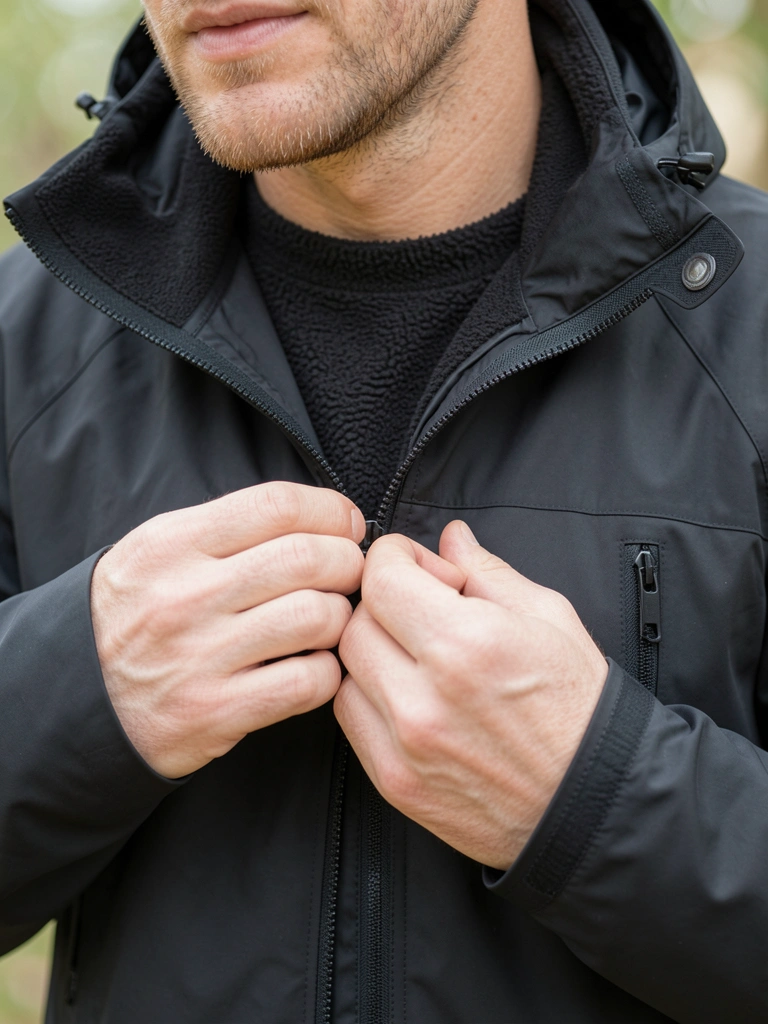
I pull on the packable waterproof shell last for outer protection. It drapes open over the mid-layer, hits mid-thigh for coverage. Hood packs away flat.
The full upper body looks streamlined—layers align without lumps. Shadows show clean seams.
Most miss venting zips; use them to dump heat. Skip if it’s too stiff; it fights your stride.
Error to dodge: full zip without draft flaps. Wind sneaks in at the neck.
Step 4: Choose Bottoms That Convert for Versatility
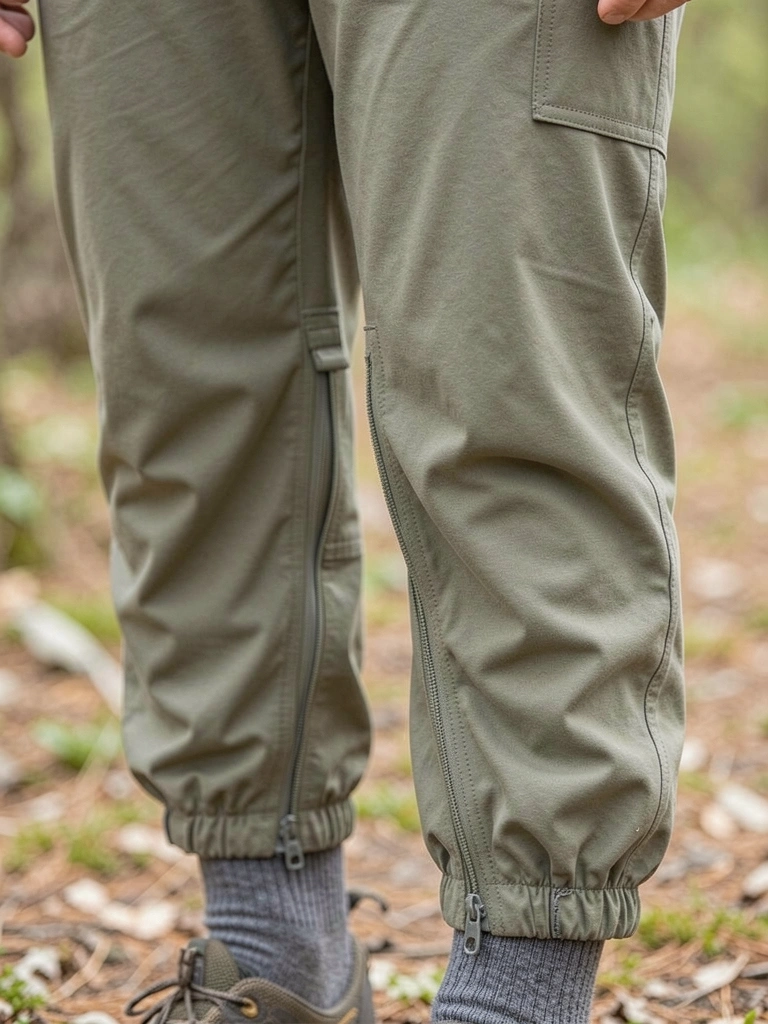
For bottoms, I step into convertible hiking pants. Zip off legs to shorts if it warms up—they hit just above the ankle uncuffed.
Legs now balance the torso; not too wide, not skinny tight. Full silhouette feels even front to back.
Overlooked: pants with roll-up cuffs for stream crossings. Avoid non-stretch waists; they bind at bends.
Common slip: full-length without vents. Sweat pools at knees.
Step 5: Finish with Feet and Pack for Stability
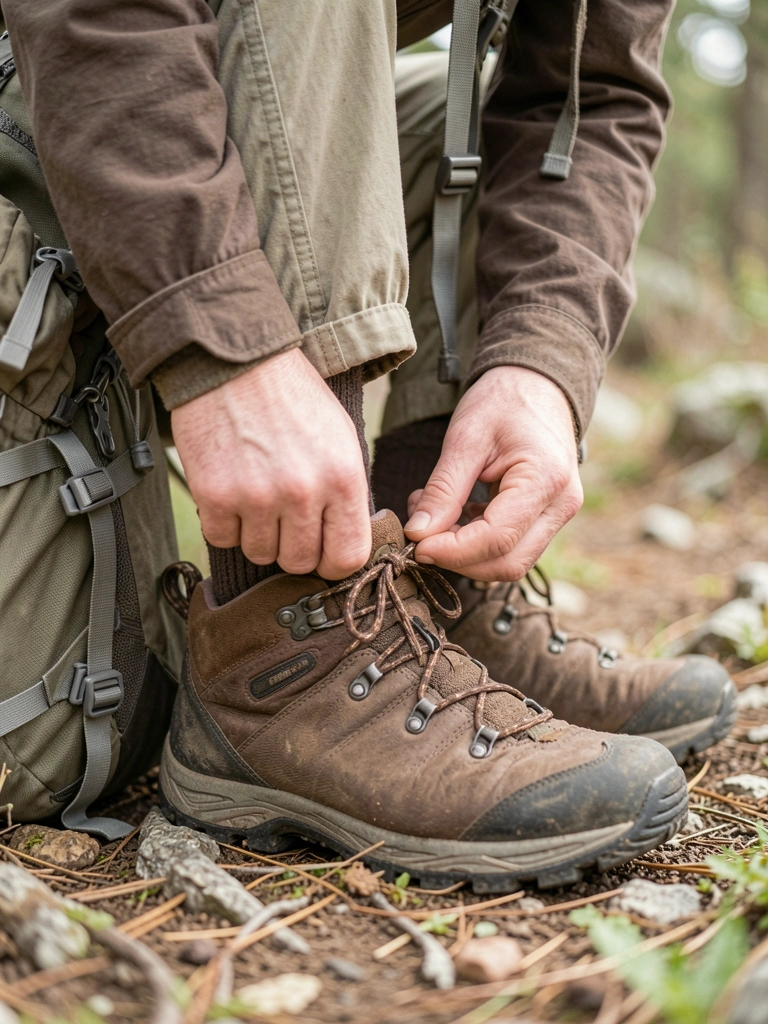
I lace mid-calf hiking socks into lightweight trail shoes, then sling the compact daypack. Straps sit over layers without rubbing; weight low on hips.
Whole outfit grounds—feet firm, pack doesn’t pull shoulders forward. Proportions lock in place.
Key miss: socks too thin; blisters form fast. Don’t overload the pack high; it throws balance.
Add the wide-brim hat last. It shades without flopping.
Layering Adjustments for Weather Changes
I check the forecast before hikes. Cool mornings mean full layers; afternoons, I strip the shell.
- Peel mid-layer if sun hits—keeps you cool without chill.
- Re-layer at dusk; body cools fast.
Feel the shift: outfit breathes, never sticks.
This keeps travel simple—one pack works all day.
Footwear Choices for Mixed Trails
Shoes make or break hikes. I pick ones with grippy soles, not slick city ones.
- Test flex: should bend at toes for rocks.
- Cushion midfoot, not just heel.
After miles, feet stay happy. Proportions stay tall.
Swap to sandals post-hike if pants convert.
Everyday Carry Without Bulk
Packs stay light—essentials only. I clip hat to strap, buff in pocket.
- Water bottle side pouch: quick grab.
- No dangling items; they snag.
Outfit feels unburdened. Moves from trail to cafe clean.
Balance holds when you pack smart.
Final Thoughts
Try one hike with these layers. Notice how they settle right.
You’ll feel steady, not fighting clothes.
Start small—base and pants first. Build from there.
It’s just dressing for what’s ahead.
Leave a Reply