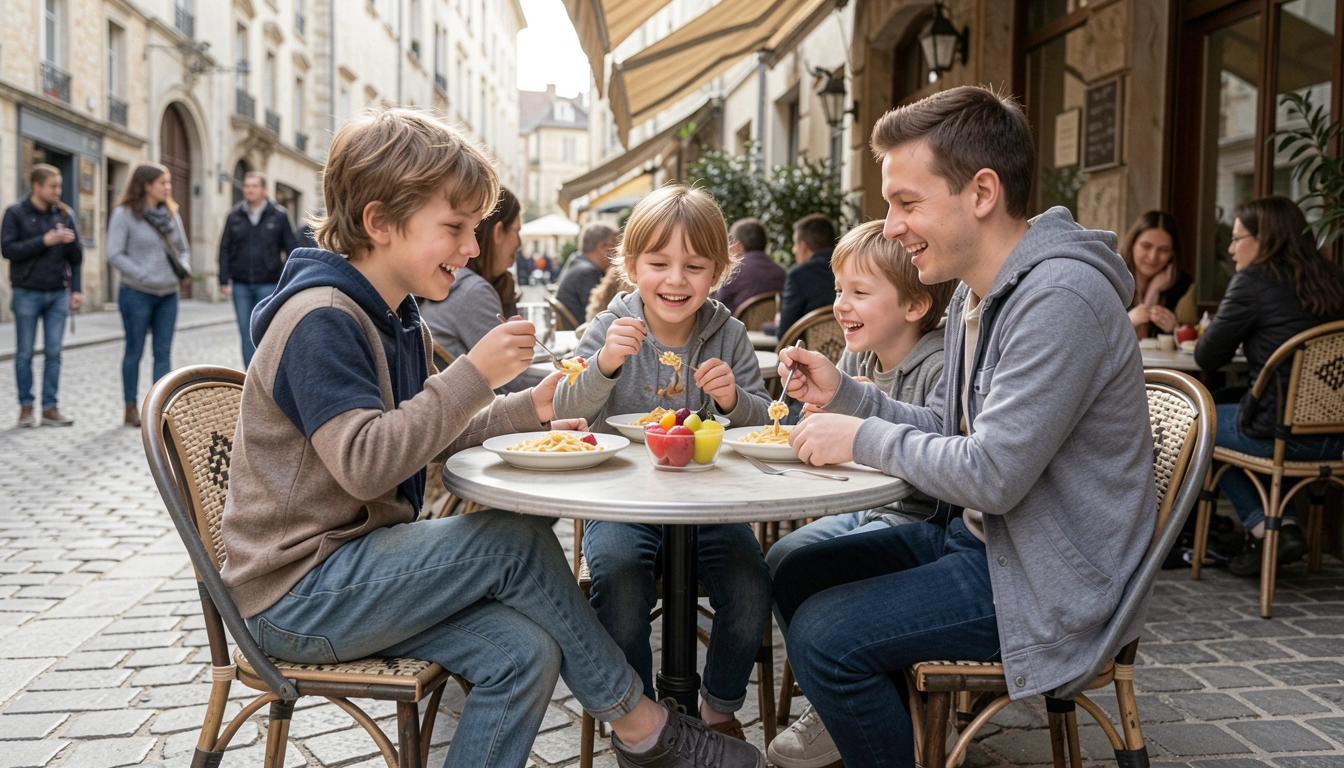
Traveling Europe with kids, I hit that wall. Markets overflow with unfamiliar cheeses and breads. My kids stared, arms crossed. Nothing felt right for their picky tastes.
One trip in Italy, tears flowed over rejected gelato flavors. I realized: it's about balance—nutrition, fun, familiarity.
Now, I scan for what works. Kids eat happy. No drama.
How To Choose Foods In Europe Travel With Kids
This method helps you spot kid-safe foods fast. You'll end up with balanced plates they devour. Meals feel easy, travel smooth.
What You’ll Need
- Insulated stainless steel kids water bottle
- Reusable silicone snack containers for travel
- Pocket Europe food phrasebook
- Allergy translation cards for Europe
- Collapsible kids silicone plates
- Healthy fruit leather snacks pack
- Portable kids utensils set
- Travel snack backpack organizer
Step 1: Spot Familiar Shapes and Colors
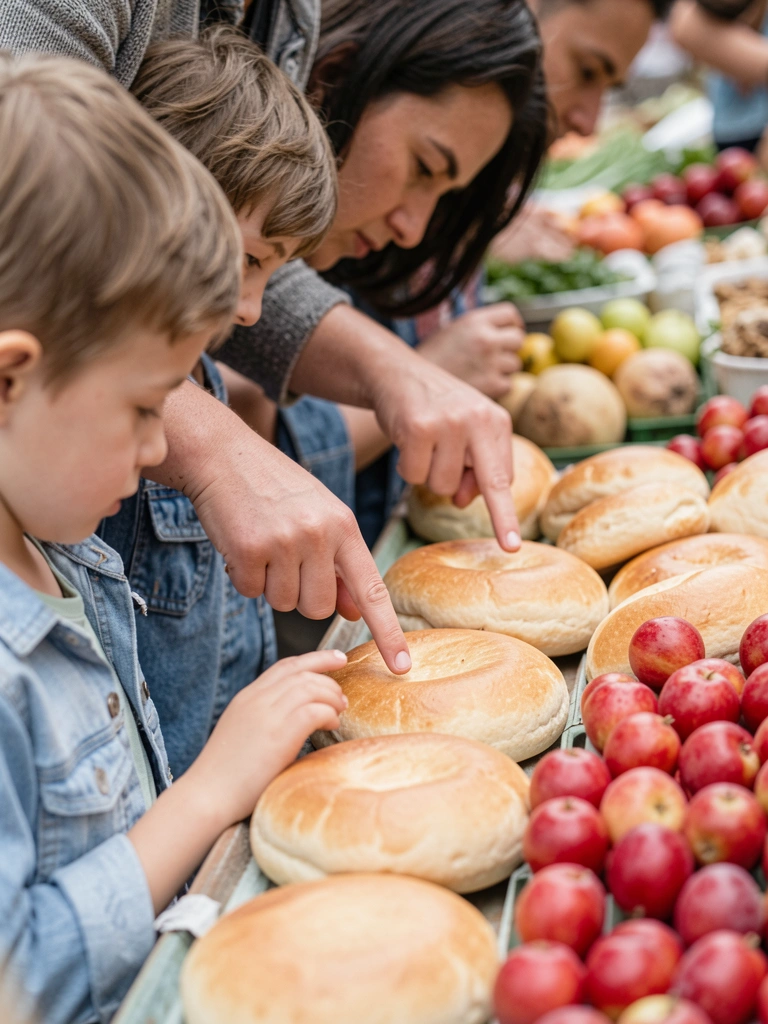
I start by looking for basics kids know—round breads like dinner rolls, red apples, yellow bananas. Why? Familiar shapes build trust fast. The cart shifts from empty to promising.
Visually, your picks stack simple. Kids lean in instead of away.
People miss how color signals safety—bright fruits say fresh. Avoid grabbing anything pale or mushy; it overwhelms them.
One mistake: skipping this for "authentic" oddities. They reject it every time.
In Spain, I grabbed plain yogurt cups. Kids ate two each. Felt balanced already.
Step 2: Check for Plain Versions First
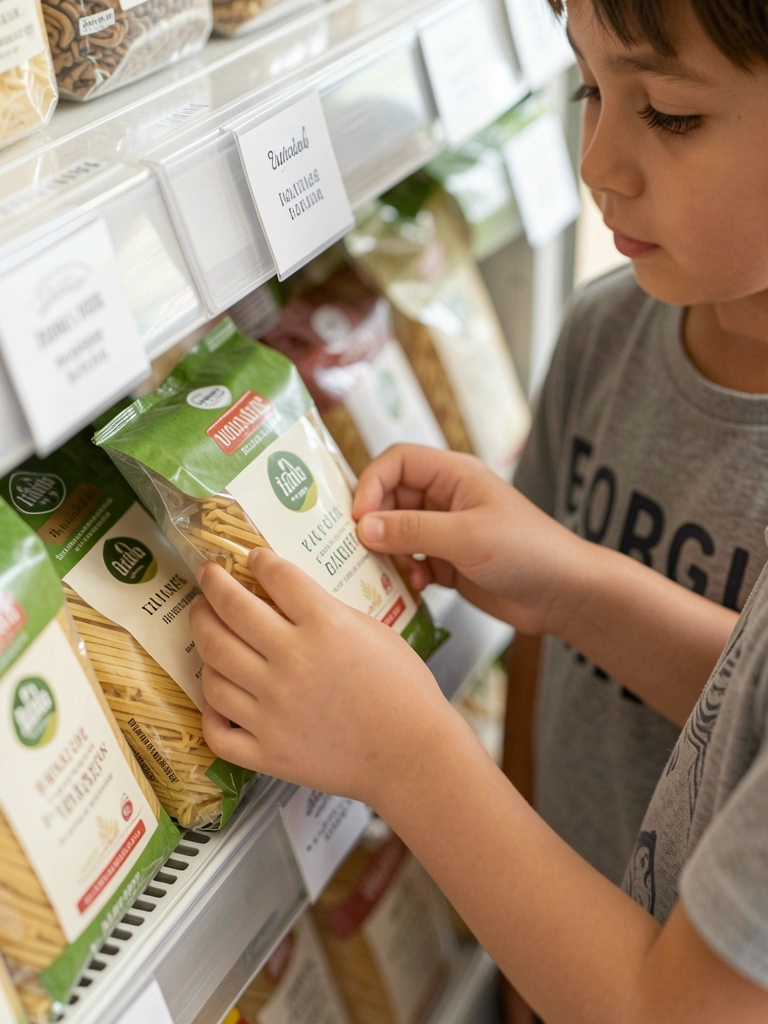
Next, I seek plain options—pasta without sauce, rice sans spice. Builds the base. Why? Kids add their twist later. Your meal plan firms up.
The pile looks clean, stackable. No chaos.
Insight: locals always have unseasoned staples hidden. Don't overlook fridge ends.
Avoid overthinking labels—stick to pictures of basics. Words confuse.
France markets gave plain crepes. Kids folded in fruit. Hunger gone, smiles back.
Step 3: Test Texture with a Touch
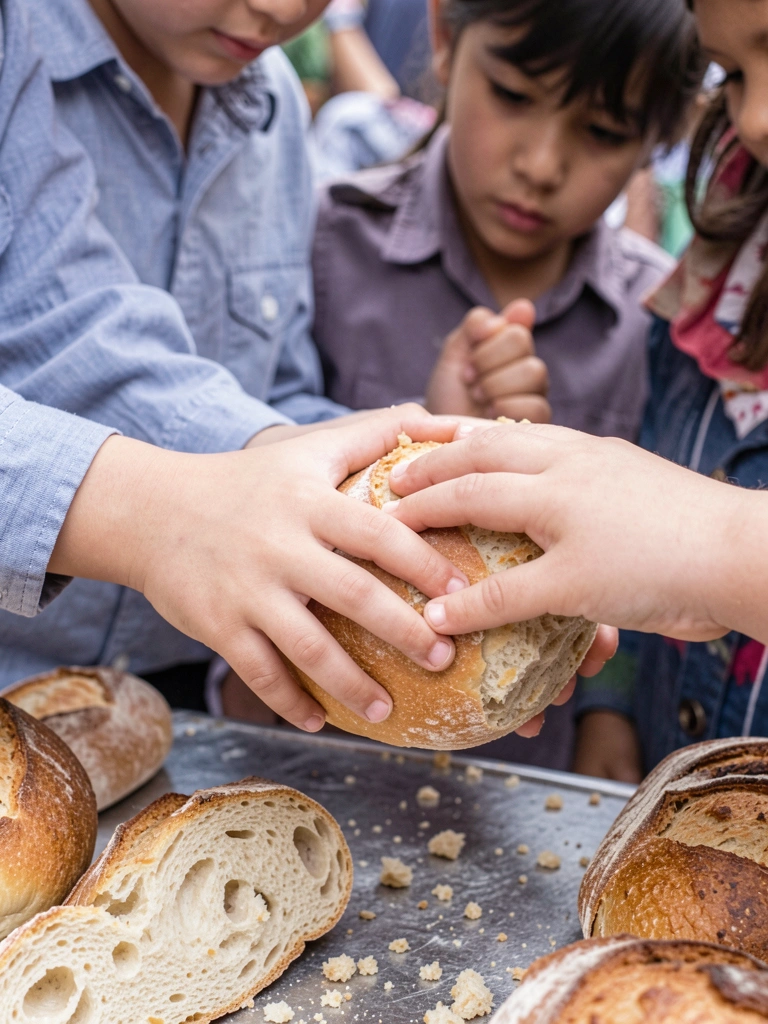
I touch for softness—breads that yield, cheeses smooth not crumbly. Why? Texture matches home comforts. Choices feel right in hand.
Visually, soft items glow fresh. Kids grab willingly.
Most miss: Europe freshness varies hourly. Feel beats look.
Don't pick rock-hard; jaws tire kids out.
In Germany, soft pretzels won. They tore easy, ate full.
Step 4: Balance Sweet, Savory, Crunch
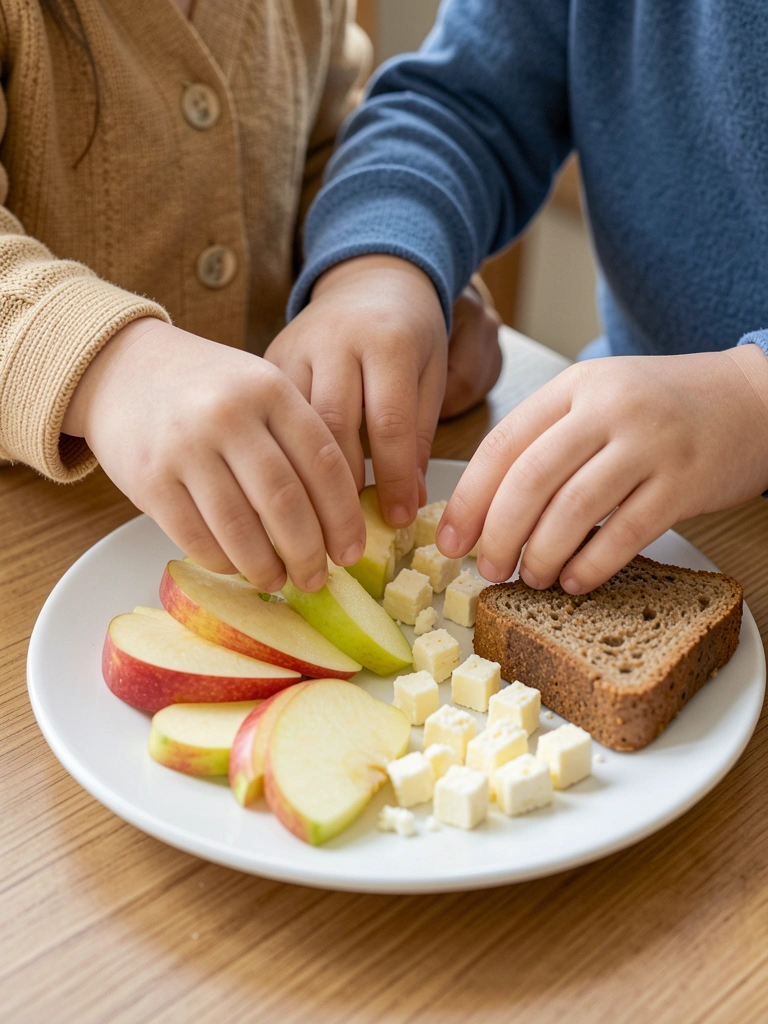
Now, mix one sweet, one savory, one crunch—fruit, cheese, carrot sticks. Why? Keeps energy even. Plate looks full, inviting.
Colors pop balanced. Kids finish without fuss.
Overlooked: crunch adds fun chew. No one thinks texture joy.
Avoid all soft; boredom hits quick.
Italy picnic nailed it. Grapes, bread, nuts. All ate steady.
Step 5: Ask Simple with Gestures
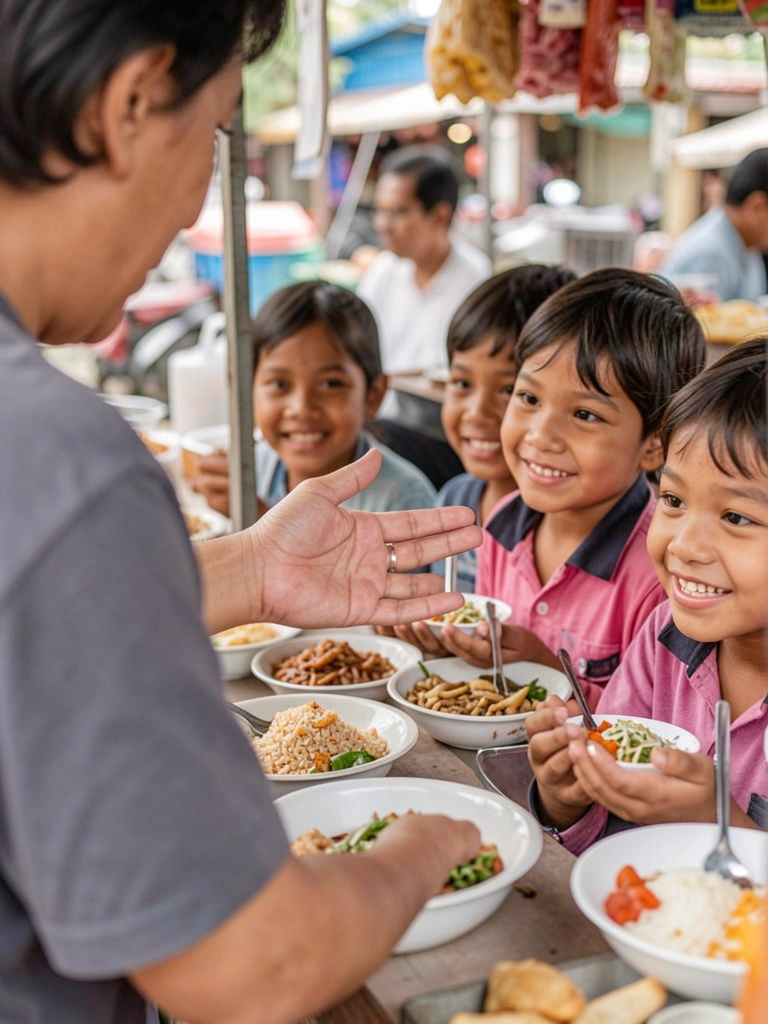
I point, say "plain?" or use cards. Why? Customizes safe. Vendor nods, hands perfect fit.
Interaction warms the scene. Trust builds.
People skip gestures—words fail. Visual yes works everywhere.
Don't assume English; gestures bridge.
Netherlands cheese? Pointed soft. Kids loved.
Kid-Friendly Foods by Country
Italy's pasta corners saved us. Plain noodles everywhere.
Spain: Tapas spots have plain potatoes, bread.
- France: Baguette ends, plain yogurt.
- Germany: Soft pretzels, apple slices.
- UK: Simple fish sticks, peas.
I rotate these. Keeps variety without shock.
Handling Picky Eaters on the Go
Picky phases hit mid-trip. I offer two choices only.
Bring backups like fruit leather. Fills gaps.
- Watch faces: Crinkle nose? Swap fast.
- Mix new with known—half familiar.
Feels less battle. They try more.
Quick Budget Meal Hacks
Markets beat restaurants for cost. Pick bulk basics.
Share plates family-style. Saves portions.
- Morning bread run: Under 5 euros feeds all.
- Picnic in parks: Free tables.
Money stays for fun. Eating feels smart.
Final Thoughts
Start with one market scan per city. Builds your eye quick.
You'll spot winners easy. Kids fueled, you relaxed.
Travel food fits now. Just familiar, balanced bites.
Leave a Reply