
I was planning my first Europe trip, staring at endless lists of castles, museums, hikes. Everything looked good, but picking felt impossible. I ended up exhausted, rushing from one thing to the next.
It was like throwing on too many layers—bulky and off. My days felt unbalanced, some too packed, others flat.
You know that feeling when your itinerary just doesn't fit right?
How To Choose Activities In Europe Travel
This is the method I use every time a trip plan feels off. You'll end up with days that flow, mixing energy levels without overload. Balanced, wearable results that match your real pace.
What You’ll Need
- Breathable walking sneakers in neutral gray
- Lightweight daypack with multiple pockets
- Rick Steves Europe guidebook
- Insulated water bottle slim design
- Portable phone charger compact
- Travel journal with pocket pages
- Quick-dry scarf for layers
- Comfortable crossbody bag
Step 1: Match Activities to Your Energy
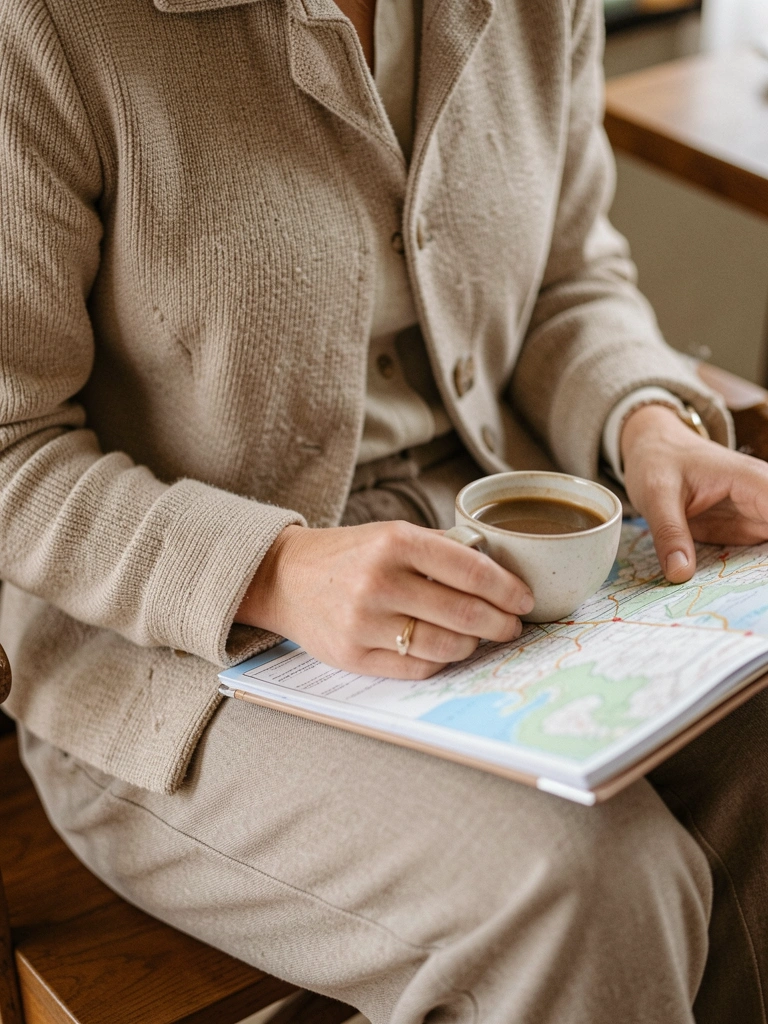
I start by checking my own pace. Am I high-energy for hikes or low-key for cafes? Last trip to Italy, I skipped this and burned out on day two.
Visually, your list shifts—fewer icons crammed, more space between. It feels lighter already.
People miss how one big activity drains the whole day. Avoid scheduling back-to-back crowds; leave breathing room.
I pick one energizing thing per day, like a morning walk, then ease into lunch. It balances like a simple layer.
Step 2: Factor in Location and Weather

I pull up the map next. Is the museum near the market? Weather app too—rain kills outdoor plans.
The plan changes: activities cluster by neighborhood, no zigzagging. Days look connected, not scattered.
Most overlook walking time between spots. Don't add a hike if it's 30 minutes uphill in heat.
I group two close ones, walk between. Feels efficient, legs thank me.
Step 3: Balance Types of Activities

I scan for mix: culture, food, nature, rest. Too much art feels flat after three days.
Your itinerary evens out—colors of icons balance across types. No heavy one end.
Folks forget rest spots. Avoid all "must-sees"; slot a park sit.
I aim one of each daily. Keeps the trip comfortable, not forced.
Step 4: Check Practical Details

I read reviews for hours, tickets, crowds. Free entry? Skip lines?
List tightens—unreal ones drop off. Realistic flow emerges.
Common miss: seasonal closures. Don't book winter ice rink in summer.
I verify two sources, note times. Plan settles, ready to wear.
Step 5: Set a Loose Budget Per Day

I tally costs: entry fees, meals out. Cap at comfortable spend.
Budget evens days—no cheap skips or splurges. Feels steady.
People ignore hidden eats. Avoid free walks without lunch buffer.
I allot, flex 20%. Trip fits without stress.
Common Mistakes to Avoid
I used to overload mornings. Woke tired, skipped half.
- Pack too many "iconic" spots. Pick three max per city.
- Ignore transit. Trains eat hours—stay local.
- Forget downtime. Build in coffee stops.
Now, days breathe. Simple fix.
Tailoring for Seasons
Summer heats up walks. I swap hikes for fountains.
Winter shortens light. Museums morning, early dinners.
- Spring: Bloom walks, light layers.
- Fall: Harvest markets, cozy cafes.
Matches weather to mood. Always works.
Mixing Solo vs Group Travel
Solo, I chase whims. Quiet galleries fit.
With friends, vote on energy. Compromise hikes.
- Groups: One big, two small activities.
- Solo: Follow gut, adjust daily.
Keeps harmony, like balanced layers.
Final Thoughts
Start with one city. Test the method there.
You'll feel the shift—days fit your real self.
It's just picking what wears well on you. Try it next trip.
Leave a Reply