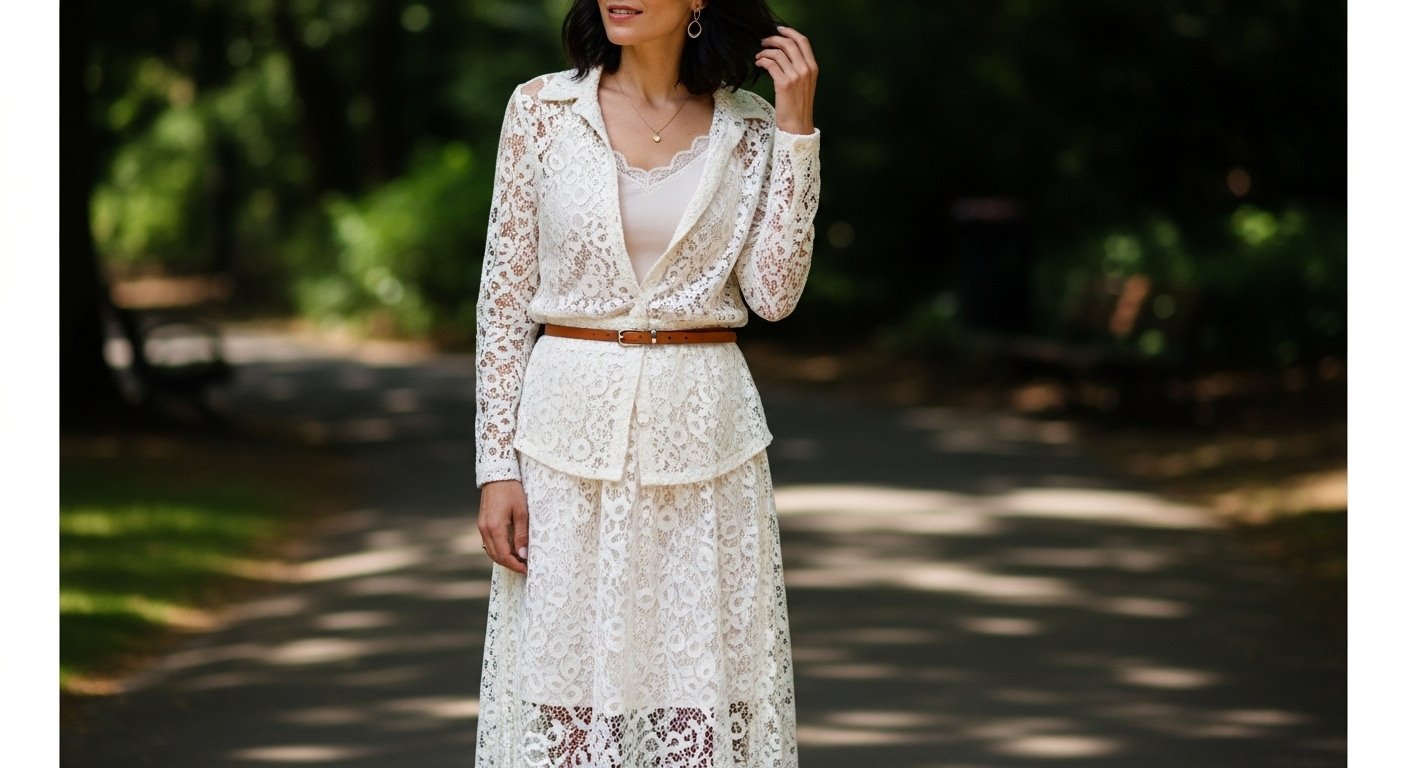
I stand in front of my closet and the lace skirt looks either too delicate or too fussy with every top I try. My blouse choices feel bulky or shapeless against the skirt’s texture. I want the outfit to read intentional, not like I tried too hard.
I learned to think in layers and proportions. Small tweaks change the whole feeling.
How to Style Lace Skirt And Blouse For Any Occasion
This is the method I use every time an outfit feels unfinished. I’ll show how to make a lace skirt and blouse look balanced, intentional, and wearable for casual days, work, or evenings out. The end result is a comfortable outfit that reads clean and proportioned.
What You’ll Need
- I keep a lined midi lace skirt for reliable coverage and structure.
- I have a silky long-sleeve blouse for drape and movement.
- I use a neutral camisole when the blouse is semi-sheer.
- I bring a thin leather belt to define the waist.
- I add a structured blazer for polish.
- I choose ankle boots in leather for casual looks.
- I pack nude pumps for dressier occasions.
- I wear delicate pendant jewelry to finish the neck area without competing with lace.
Step 1: Set the base—check lining and waist fit
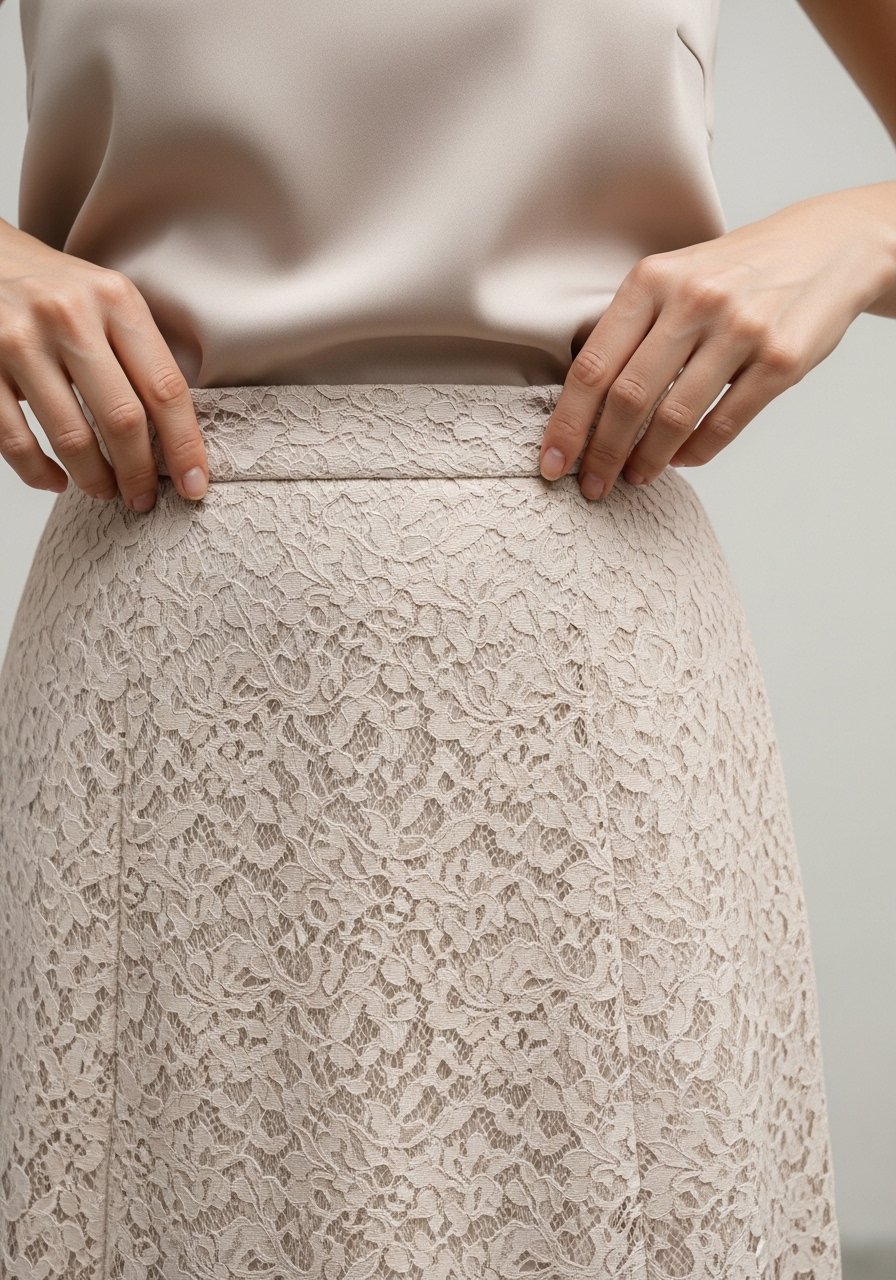
I start by putting on the skirt with the camisole. I want the lace to lie smoothly and the waistband to sit where my body feels narrowest. If the lining rides up or the lace bunches, the silhouette reads messy.
Visually, a smooth base makes the blouse fall where I want it. People miss that the lining matters more than the lace pattern. A small mistake I avoid is ignoring the waistband height—wrong placement ruins proportions.
Step 2: Decide how the blouse meets the skirt
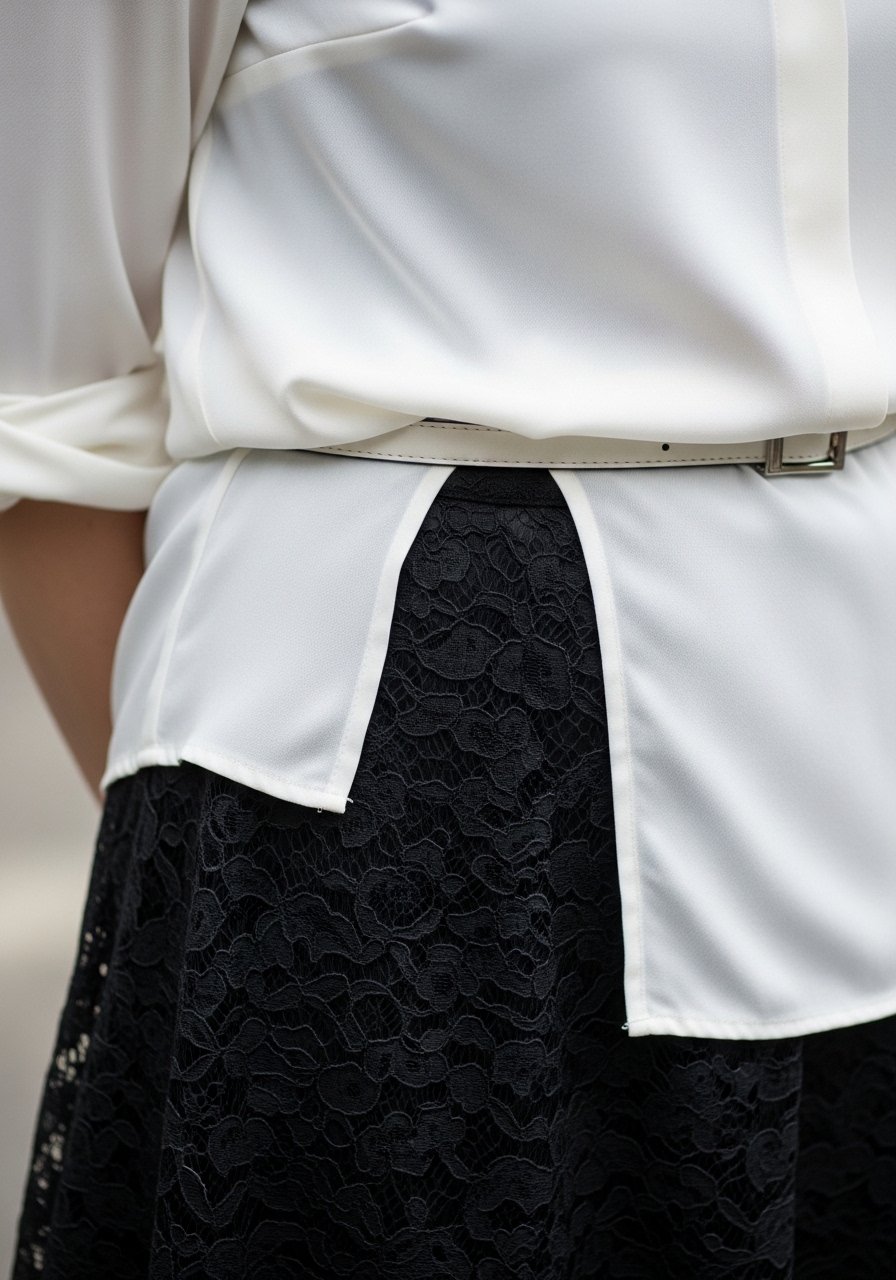
I test three blouse treatments: full tuck, front tuck, and a soft half-tuck. I choose based on fabric weight and my shoulder-to-hip ratio. A full tuck sharpens the waist; a front tuck keeps things relaxed.
Visually, tucks change the skirt’s waistline and the blouse’s volume. Most people miss that a loose blouse often benefits from a small front tuck rather than a full tuck. The mistake to avoid is over-tucking and creating a pouf of fabric above the waistband.
Step 3: Add structure to control volume
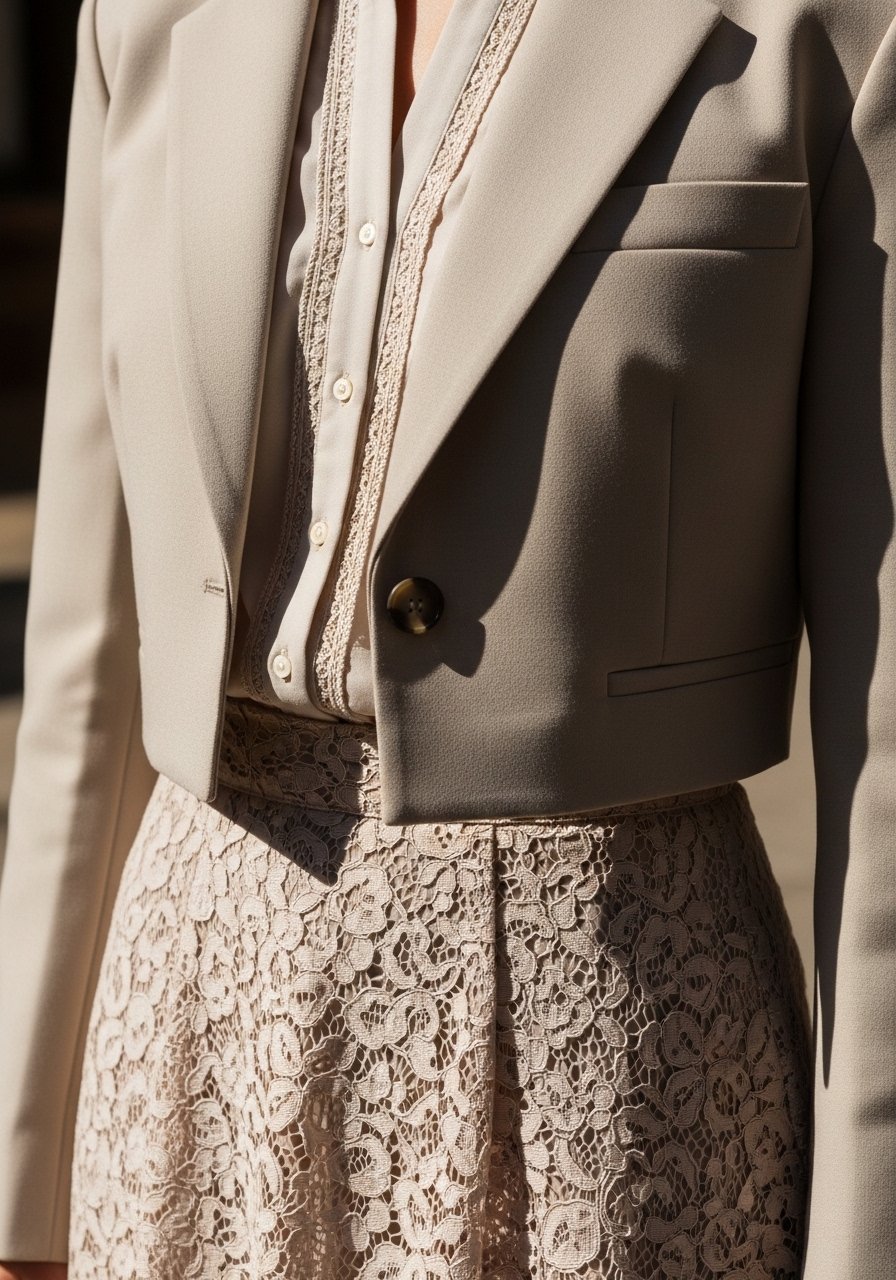
If the blouse is airy, I add a cropped blazer or a thin belt. I want the outfit to read intentional, so I shape the waist and control blouse volume. A short blazer stops mid-hip and complements the skirt’s line.
This visually balances lace’s softness with clean edges. People often overlook sleeve length—too long and it swamps the hand. The small mistake I watch for is choosing a blazer that’s so long it hides the skirt’s silhouette.
Step 4: Finish with shoes and accessories that set the tone
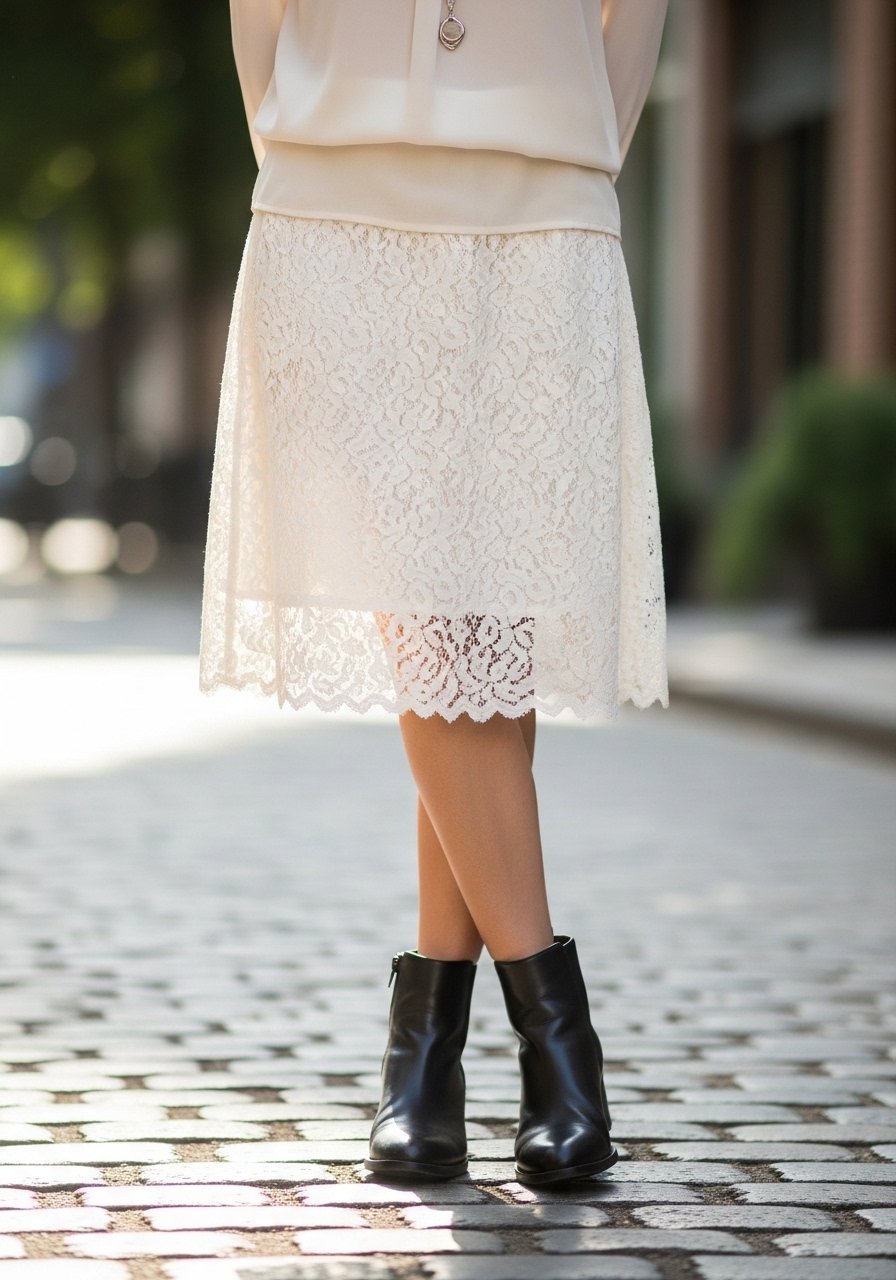
I pick shoes and jewelry based on the occasion. Heels and a small clutch read dressy. Boots and a crossbody read casual. I keep jewelry simple so the lace remains the focus.
The final visual cue sets the mood. People overload on accessories; I avoid competing textures. The small mistake I avoid is pairing a heavy shoe with a fragile lace without any grounding item like a blazer or belt.
Choosing the right lace and lining
I pay attention to lace weight and whether the skirt is fully lined. Lightweight lace needs a supportive lining or slip to avoid cling. Heavier lace can carry structure and looks cleaner with less layering.
If the lace pattern is large, I keep the blouse simple. If lace is delicate, I can be bolder with a patterned blouse, but I still prioritize a neutral underlayer. Small changes in lining color shift the outfit’s formality.
Footwear and accessories by occasion
I sort looks into three moods: casual, work, evening. For casual, I pair ankle boots and a relaxed blouse. For work, I wear pumps and a structured blazer. For evening, I choose heels and a delicate clutch.
Bulky bags compete with lace. I opt for slim straps or compact shapes. A single pendant or a small pair of studs keeps the neckline calm and intentional.
Quick fixes I use when things go wrong
If the waist reads off, I switch belt types or move the tuck. If the blouse creates bulk, I try a lighter camisole or swap for a fitted top. If the lace looks too formal, I add a denim or leather element.
I keep safety pins and a discreet double-sided tape for slips. These small fixes save the outfit without altering the overall look.
Final Thoughts
Start with the base and make one adjustment at a time. I focus on where the blouse meets the skirt and how the waist reads. Small choices—tuck, belt, blazer—decide the occasion.
I trust a simple palette and one grounding piece. That keeps the lace wearable and the outfit intentional.
Leave a Reply